
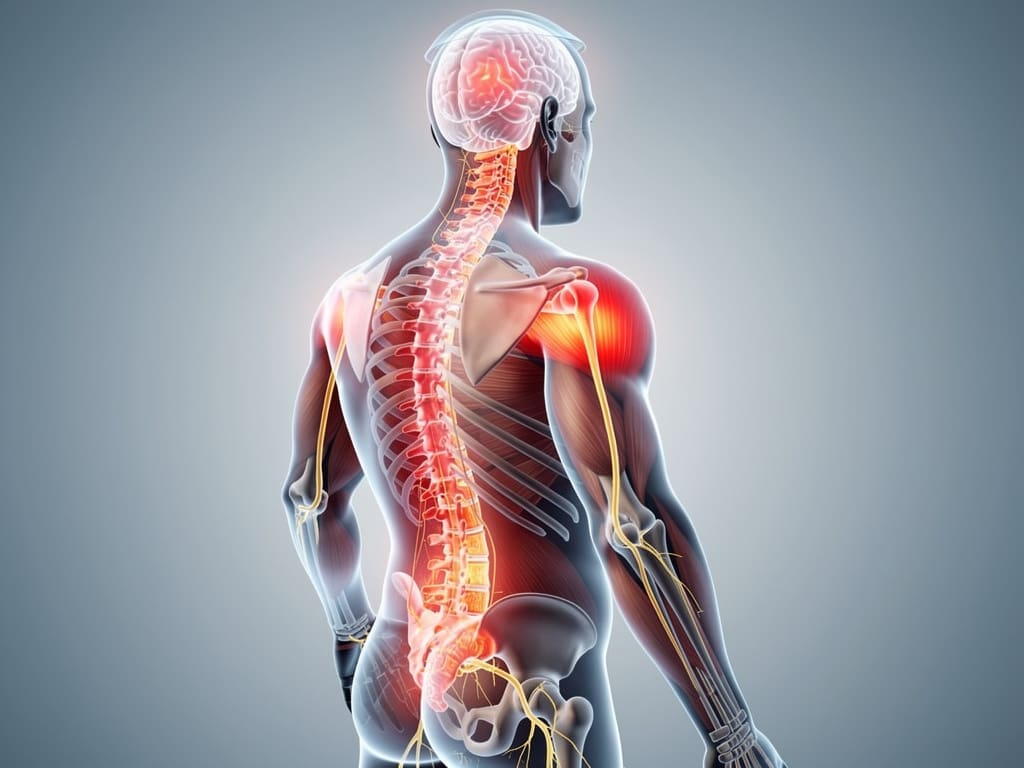
Stress is a normal part of everyday life, but when it becomes chronic, it can have a significant impact on both physical and mental health. While many people associate stress with anxiety, fatigue, or headaches, fewer realize how closely stress is connected to spinal health and the nervous system. Understanding this connection can help you take proactive steps to protect your body and improve overall well-being.
The Stress Response and the Nervous System
When you experience stress, your body activates the “fight or flight” response. This response is controlled by the sympathetic branch of the nervous system and is designed to help you react quickly to perceived threats. Hormones like cortisol and adrenaline are released, increasing heart rate, muscle tension, and alertness.
While this response is helpful in short-term situations, prolonged stress keeps the nervous system in a heightened state. Over time, this constant activation can interfere with the body’s ability to relax, heal, and maintain balance. Chronic stress may lead to nervous system dysregulation, where the body has difficulty switching out of fight-or-flight mode.
How Stress Impacts the Spine
One of the most immediate physical effects of stress is muscle tension. Stress commonly causes muscles in the neck, shoulders, and upper back to tighten as a protective response. When muscles remain tense for extended periods, they can pull the spine out of proper alignment and restrict normal movement.
Poor posture is another common consequence of stress. People under stress may hunch their shoulders, clench their jaw, or sit for long periods without movement. Over time, these habits place additional strain on the spine, particularly in the cervical (neck) and thoracic (upper back) regions. This strain can contribute to stiffness, discomfort, and reduced mobility.
Stress-related spinal tension may also increase pressure on spinal joints and surrounding nerves. When spinal alignment and movement are compromised, nerve signals may not flow as efficiently, potentially affecting how the body functions.
The Connection Between Stress, Pain, and Nerve Function
The spine and nervous system work together to coordinate movement, sensation, and internal processes. When stress disrupts this system, it can contribute to a wide range of symptoms. Neck pain, back pain, tension headaches, and even numbness or tingling can be linked to stress-related spinal issues.
Chronic stress may also lower the body’s pain threshold, making existing discomfort feel more intense. This can create a cycle where stress leads to pain, and pain increases stress levels. Over time, this cycle can negatively affect sleep, energy levels, and overall quality of life.
Additionally, ongoing nervous system stress may impact other bodily functions, such as digestion, immune response, and hormonal balance. While these effects may not always be immediately noticeable, they can influence long-term health if left unaddressed.
How Chiropractic Care Can Help
Chiropractic care focuses on restoring proper spinal alignment and supporting healthy nervous system function. By addressing areas of restricted movement and tension, chiropractic adjustments can help reduce physical stress on the spine and surrounding muscles.
When the spine moves properly, the nervous system is better able to regulate stress responses. Many patients report feeling more relaxed after chiropractic adjustments, which may be related to decreased muscle tension and improved nervous system balance. Regular chiropractic care can help counteract the physical effects of stress before they develop into chronic issues.
Chiropractors also assess posture and movement patterns that may contribute to stress-related spinal problems. Identifying and correcting these patterns can help reduce ongoing strain and support better long-term outcomes.
Lifestyle Strategies to Reduce Stress on the Spine
In addition to chiropractic care, simple lifestyle changes can make a meaningful difference. Maintaining good posture, taking regular breaks from sitting, and incorporating gentle stretching can help relieve spinal tension. Breathing exercises and mindfulness practices may also support nervous system regulation by encouraging relaxation.
Regular physical activity is another effective way to manage stress and support spinal health. Movement helps release built-up muscle tension and promotes circulation, which supports healing and flexibility.
Supporting Long-Term Health
Stress may be unavoidable, but its impact on the spine and nervous system doesn’t have to be overwhelming. By understanding how stress affects the body and taking proactive steps to address it, you can support long-term spinal health and overall wellness.
Chiropractic care, combined with healthy habits and stress management strategies, offers a comprehensive approach to maintaining balance in the body. By caring for your spine and nervous system, you create a strong foundation for better resilience, improved comfort, and a healthier response to everyday stress.